Your Cart

Resources & Insights

Resources & Insights
Puzyreva Danielle 02 Sep24 0 346
John Brooks - The GrowerThe story begins in the early 1930s in New Zealand with a young boy with an entrepreneurial mindset picking fruit and veg and riding his bike around the neighbourhood selling them. Tomatoes, potatoes, apricots, plums. Picked packaged and Delivered.​John Brooks - The EngineerFast forward 20 years, the young boy is now a man, an engineer in the Merchant Navy. Even there he was finding ways to make more money. He started A Bob A Nob, giving his team haircuts before they got back to shore. His ability to identify a need and add value was a talent.After the Merchant Navy, John worked for an engineering business which gave him a real taste of how things should not be done.John Brooks - The RestaurateurHe quickly moved on to his next venture, he opened his first proper business - a fish and chip restaurant in 1954. With the combination of experiences learnt he decided to put everything on the table and risk it all for something he believed would change his life. He mortgaged everything - including the knives and forks - bought a van, an A30 Austin to be precise, and John Brooks Ltd was born.John Brooks - The CompanyHe started by taking orders and selling products with prompt delivery. He understood the demand and valued efficiency, no matter what the customer would always get their product as quickly as possible.​After years of building his reputation, John Brooks got an office space in a crushing plant and started employing designers and Sales Reps. He saw an opportunity to use the products at hand to provide better custom solutions for his customers and with that he expanded the John Brooks offering.John Brooks the Legacy BrandNow, John Brooks is in 3 locations and services Nationwide providing custom industrial automation solutions to a wide range of industries (inc. distribution, agriculture, winemaking, manufacturing), John’s ethos of work hard, provide the best service and always help your customers has been handed down through 3 generations and today John Brooks is the leading name in the Industrial Automation space. ..
Puzyreva Danielle 15 Sep25 0 166
John Brooks at the Heart of Smarter Industrial AutomationEnduring Legacy, Modern VisionSince 1964, John Brooks has upheld a tradition of engineering excellence, supporting New Zealand’s industries with electric motors, gearboxes, controls, and fluid handling systems, all delivered with unmatched personal service and expertise. Over the past six decades, we've evolved from local innovators to national champions in automation, trusted across a wide range of sectors, including agriculture and dairy, energy, food & beverage, packaging, timber, and wine.Sustainability & Energy Efficiency at the CoreAt the heart of John Brooks’s mission is a steadfast dedication to sustainability and energy efficiency. Their solutions ensure that mechanical, electrical, and software components integrate seamlessly, from servo inertia optimisation to power-saving motion algorithms; every detail is crafted to reduce energy usage and drive long-term operational sustainability. Sector-Leading Solutions Across IndustriesAgriculture & FarmingBorn in 1964, to support New Zealand’s agricultural machinery, from wool blenders to belt and chain systems, John Brooks custom-engineered solutions that match local environmental and operational demands. They’ve launched fluid and pump controllers offering remote-controlled water usage, enhancing sustainability and cost-savings, vital for modern farming.Dairy, Food & BeverageJohn Brooks supports the foundations of daily life with locally manufactured equipment, supporting dairy farms, food processors, craft breweries, and boutique wineries. Their fluid handling, CIP systems, mixers, agitators, tanks, and valves are all designed for durability, efficiency, and energy-conscious operation.Wine, Beer & PackagingThe wine and beer sectors thrive on reliability and precision, with John Brooks powering fermentation pumps, packaging drives, and conveyor systems that maximise throughput and minimise waste. Their compelling presence in these sectors is backed by decades of tailored delivery and fluid systems.Timber, Manufacturing & EnergyFrom raw-material processing to advanced manufacturing lines, John Brooks’s automation and motion-control systems bring energy-efficient machining, conveyor setups, and motor control to the wood and broader manufacturing sectors. In energy, their distribution of energy-saving motors and drive systems underscores a long-term commitment to greener outcomes.Smart Control & Remote CapabilitiesJohn Brooks stands out with next-gen engineering programming. HMI design, motion control, PLC logic, and remote access, that not only enhances machine performance but also slices energy consumption. Their human–machine interfaces feature scalable vector graphics and robust enclosures designed for tough environments and energy-smart operations. Remote programming and support further decrease travel emissions while offering fast, flexible responses.Tailored, Local ExpertiseBacked by offices in Auckland, Wellington, and Christchurch, John Brooks delivers localised service across Aotearoa – embedding onsite visits, design precision, and supply reliability into their offering. Their engineers aren’t just technicians, they’re local specialists rooted in New Zealand’s industries and sustainability values.Why Choosing John Brooks Means Choosing Sustainable SuccessBuilt on Trust & Heritage: 60+ years of partnerships across Agri, Dairy, Food & Beverage, Energy, Wine, Timber, Packaging, even aviation and food processing, woven with innovation and trust. Holistic Engineering: Seamless integration across electrical, mechanical, and software components, designed for longevity and energy efficiency. Sector-Specific Mastery: Deep-rooted understanding of each industry, offering bespoke motor, gearbox, and fluid system solutions grounded in Kiwi contexts. Sustainability in Every Stage: From remote-assisted programming to efficient motion control, John Brooks is building green engineering into every step. On-the-Ground Support: With local presence and a nimble, expert team, they provide fast, reliable, and tailored support wherever it’s needed.Join the Sustainable Automation EvolutionWhether you're cultivating fields or crafting fine wine, processing dairy or driving packaging innovation, John Brooks is your enduring partner for electric motors, gearboxes, controls, and fluid systems rooted in sustainability, performance, and pride.Let them help your business thrive, book a conversation or site visit today with the teams in Auckland, Wellington, or Christchurch. sales@johnbrooks.co,nz or call 0800 48 49 50 ..
Puzyreva Danielle 11 Sep25 0 88
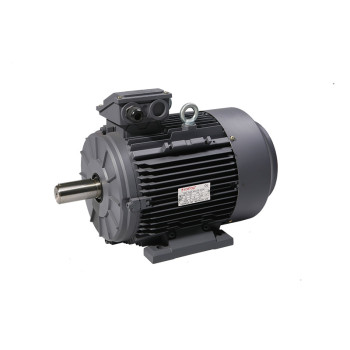
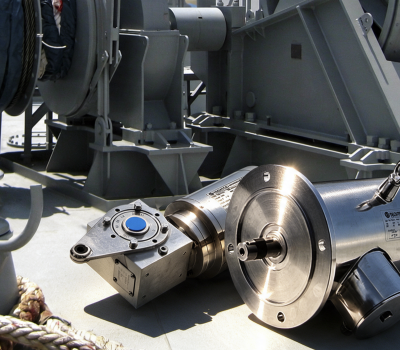
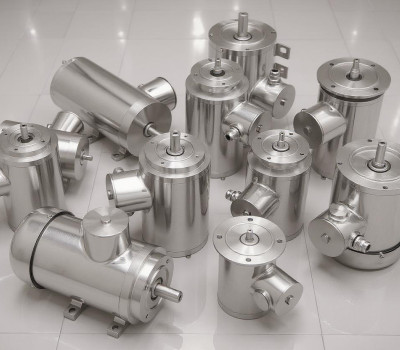
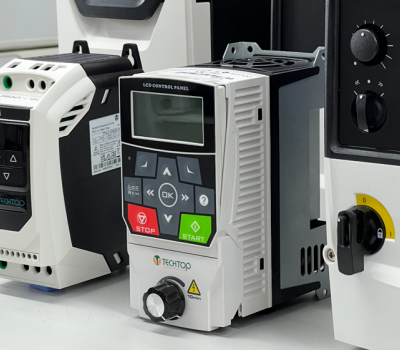
In fast-moving industries like FMCG, food & beverage, manufacturing, timber, dairy, packaging, and energy, downtime isn’t just an inconvenience; it’s a costly risk. Every hour of halted production can mean thousands of dollars lost, missed deadlines, and unnecessary stress on your operations.That’s why John Brooks is committed to being more than just a supplier. We’re your long-term partner in reliability, helping businesses across New Zealand keep their operations running smoothly.Why Partner with John Brooks?Downtime often happens because businesses can’t get the right equipment when they need it. Long lead times, limited availability, and high costs leave operations vulnerable.John Brooks removes these risks with our consistent availability. We have hundreds of products arriving in NZ every month.Electric Motors – durable, efficient, and ready for all industrial applications. Gearboxes – engineered for precision, performance, and adaptability. Variable Speed Drives (VSDs) – delivering control, efficiency, and reliability.Our promise is simple:Consistent Availability – a wide range of motors, gearboxes, and VSDs in stock locally. Fast Delivery – when downtime isn’t an option, we act quickly to get you moving. Competitively Priced – top-quality solutions without the inflated costs.Techtop Electric Motors – Proven Performance, Global ReputationAs part of our commitment to quality, John Brooks is proud to supply Techtop electric motors, a globally recognised brand known for reliability, performance, and value.Techtop motors are designed with robust engineering and high efficiency standards, making them the ideal choice for demanding New Zealand industries. From food processing lines to heavy manufacturing, they deliver consistent performance while reducing the risk of breakdowns.By holding Techtop motors in stock locally, John Brooks ensures you have access to a trusted global brand with immediate availability, helping your business stay one step ahead of downtime.A Partnership Built on TrustFor more than 60 years, John Brooks has partnered with New Zealand businesses, providing the equipment, expertise, and support they can depend on. We understand the pressure industries face to maintain uptime and productivity, and we’ve shaped our service around solving these challenges.Whether you’re running a bottling line, a food processing plant, or a heavy-duty manufacturing operation, John Brooks is the partner that keeps your systems working, day in and day out.Ready to Eliminate Downtime?When you choose John Brooks, you gain more than a supplier. You gain a strategic partner dedicated to helping your business succeed.? Contact us today to talk about how our Techtop electric motors, gearboxes, and VSDs can give your business the edge.Email sales@johnbrooks.co.nz or call 0800 48 49 50 ..
Puzyreva Danielle 04 Sep25 0 121
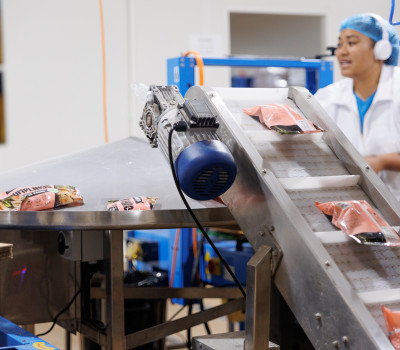
Why NZ Food & Beverage Producers are switching to Techtop Electric MotorsIt's more than just the reliability and hassle-free performance.New Zealand’s food and beverage industry is built on consistency, hygiene, and efficiency, whether you're packing avocados in the Bay of Plenty, brewing beer in Nelson, or processing milk in Waikato.At the heart of it all?Electric motors are powering everything. Your lines, your mixers, your conveyors, your pumps, and your chillers.But when those #electricmotors start causing problems, production slows, product quality suffers, and your team spends more time troubleshooting than producing.Contact an expert on sales@johnbrooks.co.nz or call 0800 48 49 505 common issues in the Food & Beverage sector Costly Downtime - Unexpected motor failures bring your whole operation to a halt. In an export-focused economy like ours, a single delay can cause missed shipments and wasted product. Contamination Risks - Poorly sealed or open-framed motors can harbour bacteria or allow foreign particles into your food line, risking non-compliance with MPI standards or your export certifications. Inconsistent Performance - Struggling to maintain steady torque or speed can lead to overfilled packaging, poor batching, or uneven mixing. This directly impacts yield and customer satisfaction. Moisture and Washdown Environments - High-pressure washdowns and humid conditions are part of everyday life. Motors not designed for these environments quickly corrode, short out, or seize up – especially if the seals have worn out. Rising Energy Costs - Older or inefficient electric motors consume more electricity. If you’re noticing power bills creeping up despite the same output, your motors could be to blame.Signs it's time to replace your electric motorNot sure if your current motors are still pulling their weight? Here are some red flags to watch for:Frequent Breakdowns or Repairs – If you're calling in the sparky more than usual, you're likely losing more money on maintenance than a replacement would cost. Overheating – Excessive heat is a common sign of internal wear or overload. Unusual Noise or Vibration – Grinding, humming, or rattling usually means mechanical issues are developing inside. Spikes in Power Use – Motors drawing more amps than usual are typically running inefficiently or compensating for internal faults. Visible Corrosion or Water Ingress – Moisture inside the housing is a clear sign your motor isn't handling the environment. Sluggish or Inconsistent Performance – Lagging start-ups or fluctuating speed means the motor is struggling to keep up.How Techtop Motors solves these headachesEngineered for NZ conditions, Techtop electric motors are built to handle harsh, wet, and washdown-heavy environments. These motors have sealed enclosures, corrosion-resistant finishes, and robust internals designed for demanding applications.Hygienic and Easy to Clean - With smooth surfaces, stainless steel options, and totally enclosed designs, Techtop motors make it easier to meet NZ food safety and export standards. Reliable, Consistent Performance - From mixing to bottling, Techtop motors deliver steady torque and speed — reducing rework, product variation, and bottlenecking. Longer Life. Less Downtime - With high-spec bearings, superior insulation, and quality components, Techtop motors are built to last. Fewer failures and less time standing around waiting for repairs.Partner with John Brooks — Local Experts in MotionJohn Brooks has been helping the New Zealand Food and Beverage Sector stay up and running for over 60 years. Our team understand your industry, your compliance requirements, and how costly the wrong motor can be.Talk to us today about switching to Techtop motors — we’ll help you find the right solution to keep your production line running smoothly, safely, and efficiently. Contact us at sales@johnbrooks.co.nz or call 0800 49 49 50...
Puzyreva Danielle 28 Aug25 0 44
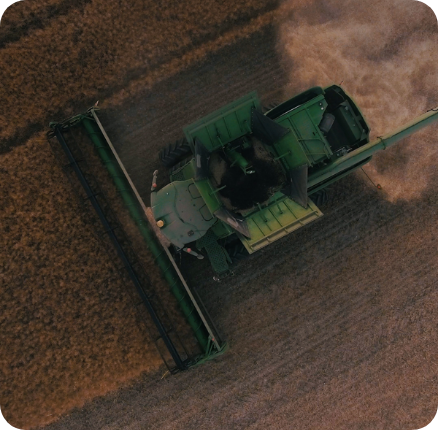
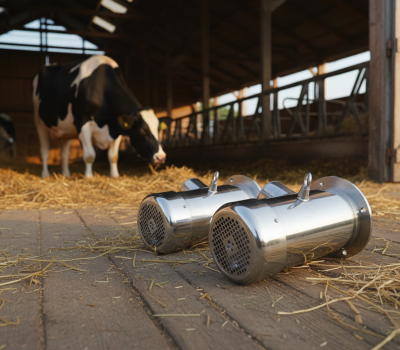
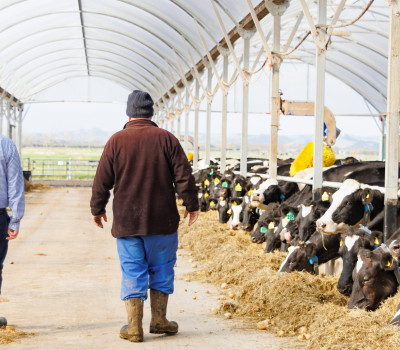
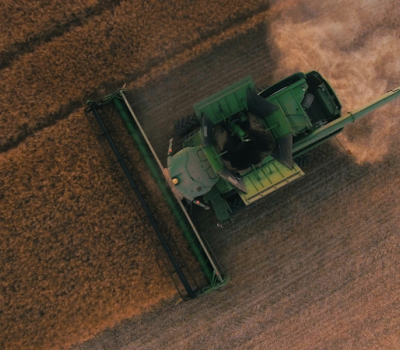
Techtop Electric Motors: Tackling Farming Challenges Head-on.Like boosting productivity and cutting downtime. The farming and agriculture industry depends heavily on reliable machinery to keep operations running smoothly. From irrigation systems and grain elevators to feed mixers and conveyor belts. At the heart of many of these machines lie electric motors, the critical components powering daily workflows.However, poor-quality or ill-suited electric motors often lead to costly downtime, frequent repairs, and productivity bottlenecks that directly impact farmers’ bottom lines.Common Electric Motor Challenges in FarmingHarsh operating conditions - Farming environments are tough. Motors often face extreme dust, dirt, moisture, and temperature fluctuations. Low-quality motors can quickly deteriorate, leading to unexpected failures at the most inopportune times, such as during harvest season.Frequent downtime and maintenance - Farmers can’t afford long pauses in their production. Motors that lack durability or efficiency demand constant maintenance and repairs, causing delays and increased labour costs.Inefficiency - Old or poorly designed motors consume excessive energy, driving up operational costs. Energy wastage adds up over large farms running multiple machines around the clock.Inconsistent performance - Motors that fail to deliver consistent torque and speed can lead to uneven processing - such as improper feed mixing or grain handling - compromising quality and yield.How Techtop Motors Transforms Agricultural OperationsBuilt Tough for Agriculture Techtop electric motors are engineered with robust materials and superior sealing to withstand dust, moisture, and temperature extremes typical in farming. This resilience reduces unexpected breakdowns and extends motor life.Maximised uptime through reliability - With premium components and precise manufacturing, Techtop motors provide dependable performance day in, day out. This reliability translates into fewer service calls, less maintenance, and more time focused on farming rather than fixing equipment.Energy savings that add up - High-efficiency designs mean Techtop motors use less electricity for the same output, lowering energy bills and reducing environmental impact—a win-win for sustainable farming practices.Smooth, consistent operation - Advanced motor controls ensure consistent torque and speed, improving the performance of irrigation pumps, conveyors, feed mixers, and other critical equipment. This consistency boosts crop quality and operational efficiency.Choose Quality to Harvest MoreIn the fast-paced world of agriculture, every minute counts. Using inferior electric motors can cause costly headaches, disrupt workflows, and reduce profitability. Techtop electric motors stand out as a trusted solution, combining durability, efficiency, and performance designed specifically for farming needs.If your farm machinery is underperforming or causing frequent downtime, it’s time to talk to one of John Brooks’ experts about Techtop motors. Upgrade your equipment today to enjoy greater productivity, less hassle, and a stronger harvest tomorrow.Contact sales@johnbrooks.co.nz or call 0800 48 49 50 to connect with one of our reps. ..
Puzyreva Danielle 21 Aug25 0 36
Why NZ Manufacturers Are Turning to Techtop Electric MotorsWhether you’re running a plastics plant in Auckland, a fabrication workshop in Hamilton, or a food packaging line in Christchurch, one thing remains true: electric motors keep your machines moving and your business productive. In New Zealand’s competitive manufacturing sector, every breakdown, delay, or inefficiency adds up. If your motors are slowing you down — or worse, constantly breaking — it could be costing you far more than you realise.Downtime That Hurts the Bottom LineWhen a motor fails on a production line, everything downstream grinds to a halt. Missed deadlines, idle staff, and unfulfilled orders quickly follow. Even a “quick fix” can cost hours in lost productivity.Overheating and OverloadingMotors working under constant demand or poor ventilation often overheat, especially during extended shifts or during high-output periods. That heat leads to insulation breakdown, bearing failure, and unplanned outages.Frequent Repairs and Rising Maintenance CostsOld or low-grade motors often need constant servicing, draining your maintenance team’s time and chewing into your budget with repeated callouts and parts replacements.Inconsistent Output or UnderperformanceMotors that can’t maintain torque or RPM consistency can affect the performance of cutting tools, pumps, conveyors, and automated systems, reducing product quality and creating rework.High Power ConsumptionMany New Zealand manufacturers are unknowingly operating with motors that use more power than needed. Over time, inefficient motors silently drive up energy costs and hurt your sustainability metrics.Signs It Might Be Time to Replace a MotorDon’t wait for complete failure. Here are red flags to keep an eye on:Increased Repair Frequency – Needing to fix the same motor multiple times a year? It’s costing more than it’s worth. Heat, Burning Smells or Scorch Marks – Signs of insulation failure or internal friction that can lead to complete burnout. Unusual Noise or Vibration – Grinding, whining, or shaking could mean failing bearings or imbalance. Reduced Output or Speed Fluctuations – Indicates wear or control issues, especially problematic in automated or precision applications. Unexpected Energy Bill Increases – A telltale sign of motors drawing more current than they should. Oil Leaks or Dust Ingress – Compromised sealing can result in motor contamination and reduced lifespan.Why More Manufacturers Trust Techtop MotorsBuilt for Heavy-Duty NZ Manufacturing Techtop motors are made to perform in high-demand environments like CNC shops, fabrication lines, injection moulding, packaging systems, and automated assembly. They deliver constant power and long-term durability under pressure.Efficient and Cost-Effective Techtop motors meet modern efficiency standards, helping reduce power consumption across your plant without sacrificing torque or performance.Rugged and Low Maintenance With IP66 sealing options, TEFC designs, and reinforced bearings, Techtop motors stand up to vibration, dust, moisture, and long operating hours — making them ideal for New Zealand’s varied industrial environments.Smooth, Consistent Output From conveyors and fans to pumps and gear-driven systems, Techtop motors offer smooth start-ups, reliable torque, and stable RPM — which means more consistent product quality and fewer disruptions.Expert Advice from John Brooks We don’t just sell motors — we help NZ manufacturers spec the right motor for the right job, with local advice and after-sales support you can trust.Future-Proof Your Line — With John Brooks and TechtopIn manufacturing, the cost of motor failure isn’t just parts and labour; it’s downtime, lost revenue, and missed opportunities. Techtop electric motors give New Zealand manufacturers the reliability, performance, and efficiency they need to scale without the stress.Talk to the team at John Brooks today and find out how Techtop Motors can help you upgrade productivity and eliminate costly motor-related headaches for good. ..
07 Aug25 0 51
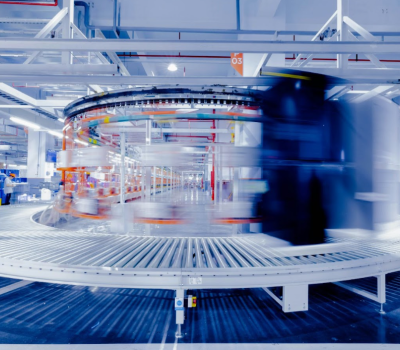
When it comes to conveyor belt systems, the electric motor you choose isn’t just another component; it’s the beating heart of your production line. A poorly matched motor can result in unnecessary energy costs, frequent breakdowns, and costly downtime. So, how do you choose the right motor for your system?Whether you’re running packaging lines in Auckland or processing facilities in Sydney, this guide will walk you through the essential factors to consider when selecting an electric motor for your conveyor belts.1. Understand Your Conveyor ApplicationStart with the fundamentals. Ask yourself:What is the weight of the load being moved? How long is the conveyor belt? What’s the required speed (m/min)? Will the motor run intermittently or continuously?The answers to these questions will directly influence the motor’s power, torque, and speed requirements.2. Determine the Required Power & TorqueConveyor motors are typically sized based on torque and power output. Undersized motors overheat and wear out quickly, while oversized ones waste energy and inflate your costs. Work with an engineer or use motor sizing software to get accurate calculations based on your load and operational specs.Tip: Don’t forget to factor in startup torque—particularly important if your conveyor starts under load.3. Choose the Right Motor TypeThere are several electric motor types used in conveyor applications:AC Induction Motors – Ideal for constant-speed applications. Reliable and cost-effective. Permanent Magnet Motors – High efficiency, compact, and great for VSD pairings. Gear Motors – Combine a motor and gearbox. Useful for low-speed, high-torque applications. Variable Speed Drive (VSD) Compatible Motors – Essential for conveyors that need flexible speed control.For many NZ and AU manufacturers, pairing an efficient IE3/IE4 motor with a VSD is the most future-ready solution.4. Environmental ConsiderationsThink about where the motor will operate:Wet or washdown areas? Go for IP66-rated motors or stainless-steel options. Dusty or hazardous environments? Choose motors with appropriate ATEX or IECEx certifications. Outdoor setups? UV and corrosion-resistant housing is a must.5. Consider Maintenance & AvailabilityDowntime is a killer. Choose a motor brand or supplier that:Offers local technical support and spare parts Has proven durability in similar manufacturing environments Makes installation and maintenance easy with clear documentation6. Work With a Partner Who Knows ConveyorsThere’s no one-size-fits-all motor. The best decisions come from working with a provider who understands your industry, production targets, and local conditions. At John Brooks, we help NZ and AU manufacturers match their conveyor systems with motors that boost reliability, reduce energy consumption, and minimise downtime.Need help choosing the right motor?Talk to one of our specialists to discuss your electric motor needs at sales@johnbrooks.co.nz or call 09 274 7114 ..
Doe John 06 Jul25 0 181
Transcript: In this video, we are discussing a device that connects two shafts, commonly known as a shaft coupling.Couplings come in many distinctive designs and here at John Brooks, we focus on offerings from industry-leading brands.Types of CouplingsThe types of couplings offered include flexible jaw, barrelled sleeve, anti-backlash, rubber tyre, grid, and compressionExplore couplings stocked by John Brooks by following this link.Flexible jaw couplings, such as the Poggi GH couplings, are one of the more popular options and consist of two interlocking hubs and a polyurethane spider insert. These are particularly effective for use with AC Induction and DC motors due to their high shock absorption and ability to handle shaft misalignments along with higher speeds. Flexible jaw couplings are low maintenance with no requirement for lubrication. Different hardness levels of the plastic inserts are available.Barrelled sleeve couplings such as the Poggi GDR couplings are made up of two toothed hubs and an external nylon sleeve that encapsulates the coupling. Applications that require electrical insulation and ease of removal are required. Like flexible jaw couplings, these couplings are low maintenanceAnti-backlash couplings are single piece couplings that unlike many other types of couplings are designed to minimise any angular movement or misalignment as opposed to compensating for them. The Oriental Motors MC couplings are excellent units that are perfectly suited to applications such as connectingRubber tyre type couplings such as the Dodge Raptor, are comprised of a large natural rubber insert housed between two hubs. These types of coupling are particularly suited to applications where misalignments of the shafts are considerable and/or there are high shock loads and vibrations that need to be mitigated.Grid style couplings such as the Bibby G Flex couplings are all metal couplings that excel at protecting against shock loads and vibration. They are comprised of two hubs, a metal grid spring and external housing. Grid couplings can handle high torque loads as well as various shaft misalignments. Periodic lubrication of these units is required.Compression style couplings such as the Atra-Flex M1 coupling provide a stable connection while also providing a safety control aspect where the plastic insert will shear in the case of a lockup and release the driven shaft to prevent damage. A replacement insert can then be reinstalled easily without the need for any tools or removal of the hubs.How to select a coupling?When selecting an appropriate coupling for your application it is important to consider the following factors:Diameter of the driven and driver shaft Required torque transmission Amount of shaft misalignment Position accuracy required Maximum speed Mounting restrictions Ease of assembly/disassemblyJohn Brooks has a wide range of expertise spread across 3 branches in Auckland, Wellington or Christchurch to help assist in selecting, modifying, and delivering solutions you can trust. If you are not sure which coupling you should select for your project, contact your local branch, and a John Brooks representative will be in contact to discuss your needs and requirements.​ ..
Puzyreva Danielle 02 Sep24 0 346
John Brooks - The GrowerThe story begins in the early 1930s in New Zealand with a young boy with an entrepreneurial mindset picking fruit and veg and riding his bike around the neighbourhood selling them. Tomatoes, potatoes, apricots, plums. Picked packaged and Delivered.​John Brooks - The EngineerFast forward 20 years, the young boy is now a man, an engineer in the Merchant Navy. Even there he was finding ways to make more money. He started A Bob A Nob, giving his team haircuts before they got back to shore. His ability to identify a need and add value was a talent.After the Merchant Navy, John worked for an engineering business which gave him a real taste of how things should not be done.John Brooks - The RestaurateurHe quickly moved on to his next venture, he opened his first proper business - a fish and chip restaurant in 1954. With the combination of experiences learnt he decided to put everything on the table and risk it all for something he believed would change his life. He mortgaged everything - including the knives and forks - bought a van, an A30 Austin to be precise, and John Brooks Ltd was born.John Brooks - The CompanyHe started by taking orders and selling products with prompt delivery. He understood the demand and valued efficiency, no matter what the customer would always get their product as quickly as possible.​After years of building his reputation, John Brooks got an office space in a crushing plant and started employing designers and Sales Reps. He saw an opportunity to use the products at hand to provide better custom solutions for his customers and with that he expanded the John Brooks offering.John Brooks the Legacy BrandNow, John Brooks is in 3 locations and services Nationwide providing custom industrial automation solutions to a wide range of industries (inc. distribution, agriculture, winemaking, manufacturing), John’s ethos of work hard, provide the best service and always help your customers has been handed down through 3 generations and today John Brooks is the leading name in the Industrial Automation space. ..
Puzyreva Danielle 06 Oct23 0 95
Engineering Leadership: Driving Industrial InnovationEngineering leadership is about innovative thinking, constantly seeking ways to improve, automate, and optimize processes. While the tools and methods change, the core essence of this leadership remains constant. Engineers have always been at the forefront of industrial revolutions, and today, leading the charge means coupling industrial automation with forward-thinking ideas.Are you confident your manufacturing process is fully optimized, or is there still room for improvement? Are you 100% sure your operation can't be streamlined further?John Brooks: Your Partner in Industrial AutomationFor nearly 60 years, John Brooks has been a leader in supporting industrial automation in New Zealand. From the earliest days of the industrial revolution, manufacturing has consistently demanded greater efficiency and effectiveness, which naturally leads to more automation. And believe us, there's always more you can automate.Today, we want to inspire you to take a fresh look at your manufacturing processes – your conveyors, your assembly lines – and identify opportunities for automation or even challenges where you wish an automated solution existed.Our team has the experience and expertise to help you automate your manufacturing process beyond your current capabilities, and quite possibly, beyond your expectations. We know our equipment inside and out and are dedicated to your success.The Continuous Journey of Optimization:Optimizing manufacturing processes is an ongoing journey because there's always something new. While large international brands invest millions in new innovations, John Brooks specializes in helping you choose the right, readily available equipment for your plant.Let's be realistic, most of the time, there's room for improvement. Many manufacturing engineers need expert advice to help with: Choosing the right equipment with controls in place: You can trust the John Brooks team to select the best motors, controls, gearboxes, drives, and accessories – we simply know what works! Committing to regular maintenance: Setting a maintenance routine is crucial to ensure your equipment performs at peak condition and lasts longer. Proactively seeking further optimization opportunities: Often, an outside perspective can spot opportunities you might miss because you see them every day. You can always call on the experts from John Brooks to act as an independent third party, review your plant's performance, and provide expert advice on how it can be improved.Fluid Handling: A Game-Changer with John BrooksDo you work with fluid? John Brooks offers world-leading European-designed fluid handling equipment, providing the highest quality products to the New Zealand market.Imagine, everything you need is close at hand because we carry a wide range of products for the dairy, food, beverage, and pharmaceutical industries to support many processes: Pumping Flow management Filtration and separation Heating and cooling Tank optimisationClick here to check our own innovation and choose John Brooks solutions for your fluid handling challenges.Plug-and-Play Automation Solutions:Our engineers have already figured out, developed and tested variable speed solutions that work and are ready to be plugged into your operation. So you don’t need to be an industrial automation genius to get the full benefit of automation. And the benefit can be significant, from potential energy saving to better performant control.Ask us how your manufacturing line can benefit from John Brooks’ own products.How to Achieve Smooth Running of a Modern Plant?There are three components to running a smooth manufacturing operation we know of and can help with: Choose the right equipment with controls in place Ask the John Brooks team to choose the best motor, controls, gearboxes, drives and accessories – we simply know what works! Do regular maintenance to ensure your equipment is performing in peak condition Reach out to ask how we can help! Seek opportunities to optimise more Call on the experts from John Brooks to review your plant’s performance and get expert advice on how it can be improvedOptimizing Your Operations:Challenge us, call the experts to get feedback on what can be controlled or powered better.And remember to ask about energy saving we can help you with.John Brooks: Nearly 60 Years of Industrial AutomationDid you know that for nearly 60 years John Brooks has been associated with the supply of industrial automation parts and accessories to support manufacturers across Australasia? Over this time, we had many talented NZ engineers working with us helping companies like yours to build and develop better plants and more automation. Today, we are still here to support you with products from all over the globe.Our company has three branches in New Zealand with subject matter experts across various product ranges and applications. John Brooks provides reliable procurement of industrial components. We also have the skills and expertise to provide automation solutions and integration and help you grow. We have commissioned automation jobs with various well-known companies across the nation. Today, John Brooks creates its own products and supplies dairy and wine products to the New Zealand and international markets.Embracing Industry 4.0 with John BrooksIt’s time for manufacturing engineering to step up and embrace the technology capabilities which are now known as 4.0. On some level, it’s all very techy and new, while at the end of the day, it’s the same automation we know and understand, taken to the next level. More sensors, more controls, more sophisticated measurements and a lot more information / data transfer. Huge demand on real-time monitoring, speed and security of data transfer.Here at John Brooks we have fully embraced the new data-driven technology and have taken it a step further. Because we understand that everyone is busy, we are now offering a range of 4.0 inspired solutions you can simply plug’n’use. Yes, they are all built from components we offer already and you could invest the time, money and effort to figure it out. Check out our FLUID HANDLING AND PUMP CONTROL SYSTEMS in action here.Embrace Industry 4.0 with Off-the-Shelf SolutionsYou can have Industry 4.0 tirelessly working for you sooner if you simply take one of our own products, now available off the shelf. Save time, money, and effort; reach out to learn more.Connect with John BrooksBook a no-obligation on-site meeting with our Sales Engineer to discuss how we can bring your manufacturing into the data-driven future with the promise of Industry 4.0.John Brooks is able to help you with your engineering needs – contact our Auckland, Wellington, and Christchurch offices for more information...
Puzyreva Danielle 02 Oct23 0 94
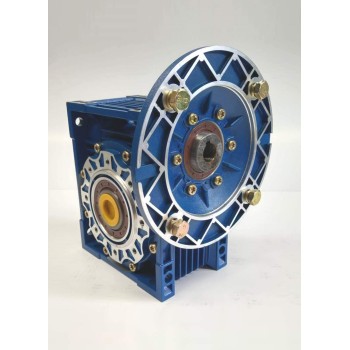
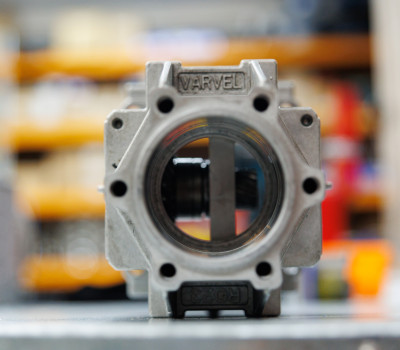
Announcing 24 hours from order to dispatch to provide engineers and industries with access to custom-built, on-demand VARVEL BEVEL HELICAL GEARBOXES. In the dynamic world of industrial automation, where timing, precision and efficiency are paramount, John Brooks stands at the forefront of problem-solving for the whole country.Last month we were thrilled to announce the launch of our Gearbox Build Centre, a pioneering initiative that is set to redefine the landscape of industrial operations across New Zealand. This centre is designed to provide engineers and industries unprecedented access to custom-built, on-demand VARVEL BEVEL HELICAL GEARBOXES, with unparalleled dispatch advantage within 24 hours from order placement.The Industry Challenge: Time and ReliabilityFor engineers and industrial operations, the quest for timely solutions is unending. Traditional procurement of gearboxes, riddled with prolonged lead times of shipping to NZ and logistical complexities, often poses a daunting challenge.Downtime, a bane of industrial operations, results in significant revenue losses, and the struggle to find a suitable replacement gearbox compounds these challenges. Moreover, the aspiration for enhancing productivity through upgrades or augmenting existing operations with new gearboxes has often been hindered by availability issues.Enter the VARVEL Gearbox Build Centre: A Paradigm ShiftThe introduction of the Gearbox Build Centre stands as a testament to John Brooks Limited's commitment to transforming industrial automation engineering in New Zealand. With our dedicated centre, engineers and industries can now enjoy the liberty of custom-built VARVEL BEVEL HELICAL gearboxes designed to their unique specifications.The hallmark of this innovative approach is the NZ-only ability to dispatch a newly assembled gearbox within an astonishing 24 hours from order placement – a breakthrough that resonates with industries seeking rapid solutions.Why You Need a New Custom-Built Gearbox:Scheduled Maintenance: The Gearbox Build Centre enables seamless scheduled maintenance by offering tailor-made replacements precisely when they are needed. This minimises operational interruptions, allowing industries to optimise their maintenance schedules. Immediate Breakdown Replacement: In the face of unexpected gearbox failures, downtime can be crippling. Our on-demand solutions guarantee a swift replacement, thereby reducing revenue losses and ensuring uninterrupted operations. Future-Proofing with Spare Gearboxes: Industries can now proactively safeguard their operations by stocking custom-built spare gearboxes. This foresight prevents downtime and production losses, even in the face of unforeseen failures. OEM Integration: Original Equipment Manufacturers (OEMs) can now seamlessly integrate VARVEL BEVEL HELICAL gearboxes into their products, enhancing their reliability and functionality.​ Operational Upgrades: The Gearbox Build Centre is the gateway to enhancing existing operations by seamlessly adding VARVEL gearboxes to motors. This paves the way for increased efficiency, productivity, and energy savings.The VARVEL Advantage: Unrivaled Quality and Performance1. European Quality: The VARVEL brand is synonymous with European excellence. The Gearbox Build Centre exclusively uses high-quality European parts, ensuring longevity and precision in every custom-built gearbox.2. Smart Design: VARVEL gearboxes are ingeniously designed to be versatile substitutes for numerous other brands, eliminating compatibility worries and providing seamless integration.3. Enhanced Torque: VARVEL gearboxes are engineered for higher torque, offering energy-efficient solutions that translate to substantial cost savings.Key Benefits of Our 24-Hour From Order to DispatchMinimal Downtime: The ability to receive a fully assembled VARVEL BEVEL HELICAL gearbox within 24 hours is a game-changer. It eliminates the frustrating and costly wait times associated with traditional suppliers. Unmatched Variety: John Brooks understands that every industrial application is unique. That's why our assembly line is equipped to handle a wide range of gearbox types and specifications. Whether you need a replacement, a spare, or a gearbox for a new development, we've got you covered. Expertise and Precision: Our team of skilled engineers meticulously assembles each gearbox, adhering to the highest industry standards for quality and precision. You can trust that the product you receive will meet your exacting requirements. Reduced Losses: By offering quick access to essential components, we help our clients reduce downtime and minimise the financial losses associated with operational interruptions.How It WorksPlacing an order with John Brooks for a VARVEL BEVEL HELICAL gearbox is a seamless process:1. Contact Us: Reach out to our knowledgeable sales team via phone, email, or our website. Provide your specifications and requirements.2. Fast Quote: Our team will swiftly provide you with a competitive quote for your gearbox.3. 24-Hour Assembly: Upon your confirmation, our skilled engineers will commence the assembly process, ensuring your gearbox is ready within 24 hours.4. Dispatch: Your fully assembled VARVEL BEVEL HELICAL gearbox will be dispatched promptly to your location, minimising downtime and operational disruption.A Commitment to ExcellenceAt John Brooks, we don't just deliver gearboxes; we deliver solutions. Our 24-hour assembly line for VARVEL BEVEL HELICAL gearboxes is a testament to our commitment to serving the evolving needs of the New Zealand industrial automation sector. We believe that quick and reliable access to essential components is not just a convenience; it's a necessity for your success.A Future of Innovation AwaitsThe launch of the VARVEL Gearbox Build Centre represents a new dawn for industrial automation in New Zealand. John Brooks Limited is poised to redefine the way industries approach gearbox procurement, maintenance, and upgrades. With our dedication to offering custom-built solutions and rapid dispatch, we empower engineers to overcome challenges swiftly, seize opportunities promptly, and drive their operations to unprecedented heights.As we embrace a future marked by efficiency, reliability, and progress, John Brooks Limited stands resolute in its mission to propel industries forward with cutting-edge solutions. The Gearbox Build Centre is a testament to our unwavering commitment to delivering excellence, on time and every time. We invite engineers and industries to partner with us in this transformative journey, where innovation meets reliability, and industrial aspirations turn into reality.Join Us in Redefining the Future of Industrial AutomationWe invite engineers, plant managers, and industry professionals across New Zealand to experience the revolution of our 24-hour VARVEL BEVEL HELICAL gearbox assembly line.Contact us today to discuss your specific requirements and discover how John Brooks team located in Auckland, Wellington and Christchurch can help you achieve unparalleled operational efficiency and cost savings.Don't let downtime hold you back. Choose John Brooks Limited and experience the future of industrial automation today with 24-hours ready once the order is placed.Our experienced engineers will help you to calculate the parameters of a gearbox you need, so that you get the right one assembled for you within 24 hours.For inquiries and orders, please contact us today.​You can request assembly of any of gearboxes below - simply click through and enquire from the page and enjoy prompt assembly and delivery.Gearbox Varvel Bevel Helical Right Angle RO Gearbox Varvel Bevel Helical Right Angle RV Gearbox Varvel Parallel Shaft RN Gearbox Varvel Helical Inline RD ..
Puzyreva Danielle 19 Sep23 0 45
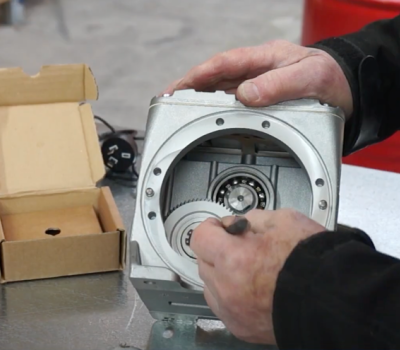
A build center dedicated to the assembly of Varvel Helical and Bevel Helical Gearboxes.This new facility marks a significant milestone in providing enhanced support to your company's productivity if a new or replacement gearbox is required in the shortest lead time.Check out our video showing how we can assemble a Helical Gearbox and process an order within 24 hours by clicking on the picture below:The Build Centre, strategically located in Auckland, is fully equipped with a purpose-built assembly area, and staffed by a team of trained technicians with experience in gearbox assembly. This facility is designed to cater to the growing demand for  Varvel Helical and Bevel Helical Gearboxes. known for their exceptional performance, durability, and precision engineering. Enquire about the assembly of the gearbox you need below or reach out to our team to get advice:Gearbox Varvel Bevel Helical Right Angle RO Gearbox Varvel Bevel Helical Right Angle RV Gearbox Varvel Parallel Shaft RN Gearbox Varvel Helical Inline RDStock housing sizes available in component form ready to build ratios from 2:1 to 630:1 and torques to 4000Nm, and input assembly flanges to suit IEC, Nema or Special Servo design.One of the standout features of the Build Centre is its commitment to rapid response and uninterrupted service. John Brooks is proud to offer a fast 24-hour despatch service ex Auckland from the time of order placement. This offering ensures that industries can maintain seamless operations without lengthy downtimes, boosting productivity and minimising disruptions."John Brooks Auckland's Build Centre is a testament to our dedication to providing custom build to order solutions and unmatched customer service," said Karl Brooks Managing Director at John Brooks. "With our specialised expertise in assembling Varvel Helical and Bevel Helical Gearboxes, combined with our extensive stock of Electric motors and variable speed drives, we are able to offer any speed or torque requirement that will provide a local solution to our valued clients. This build center extends our existing build to order facilities for Cycloidal Gearboxes and Pump control systems"The opening of the Build Centre aligns with John Brooks ongoing commitment to innovation, quality, and customer satisfaction. The company remains devoted to supporting industries across diverse sectors, including manufacturing, agriculture, food and beverage processing with the most reliable and efficient power transmission solutions available.The Build Centre's launch also emphasises John Brooks partnership with Techtop Australia Varvel's distributor for Australia and New Zealand. Varvel is a renowned manufacturer of high-quality gearboxes. This collaboration aims to combine Varvel's expertise in gearbox technology with John Brooks dedication to customer satisfaction, offering a comprehensive range of gear solutions that cater to various industries and applications.For more information about John Brooks new Build Centre, please contact your nearest branch. ..
Puzyreva Danielle 09 Sep22 0 138
A comprehensive overview of seven ways to optimise your manufacturing process.There are many benefits of optimising a manufacturing process. These include increased production rates, reduced production costs, improved product quality, and improved resource utilisation rates.The Importance of Optimising Your Manufacturing ProcessManufacturing Process Optimisation is the process of improving an existing manufacturing process to reduce the amount of resources or time needed to produce a product. This is typically done by examining and analysing the current process, identifying potential improvements, and implementing those changes.Continuous improvement is the type of attitude that helps us to reach our goals. It is important to commit to the continuous optimisation of it in order to maximise the efficiency of your plant, bring sustainability and more profit.Since it takes a considerable amount of patience and discipline, it’s beneficial to recognise that manufacturing process optimisation is not a one-off activity. Instead, this is something you have to keep in mind and come back to over time, reviewing every part of the manufacturing process, including your staff, machinery, and resources.A common approach is in implementing lean manufacturing principles into your production line. This will help with increasing productivity, reducing defects, and improving quality.In this article, we review seven ways to optimise your manufacturing process where the John Brooks team can help.Identify manual jobs that can be automated. Examine if your production/assembly line can be more automated or better optimised Get expert help to tackle this one step which slows production. Critically assess the performance of existing machinery. Choose to invest in new equipment or different technology, even when you are on a tight budget. Explore energy-saving opportunities by switching to variable speed drives (AC/DC) and electric over pneumatic control. Identify mission-critical data which can be gathered, monitored and controlled. All of it is now possible with an Industry 4.0 mindset.1. Identify manual jobs that can be automated.Regardless of the product that you manufacture, there is without a doubt, room for more automation especially when you consider jobs that are currently done manually.You can argue that one of your top workers has mastered the craft of doing a particular task with accuracy. But with modern technology, most types of repetitive tasks can be easily done by machines with great precision and exclusion of human error.We are now living in an era where robots are taking over manual jobs, the reality of the market is that before going into the expense of introducing robots, a lot of automation can occur through more traditional industrial automation solutions.The starting point is to examine every part of your production/assembly line to uncover where manual labour is involved. Loading products, packaging, and lubrication are just some of the typical manual jobs that are often overlooked.Could certain manual procedures be automated?For starters, you could be doing more by investing in a machine that can do a task more efficiently, which is usually done by a team of workers. You might think it’s expensive but if you compare the amount that you pay for labor per week to the cost of a single machine, you’d really see how much you can save; not to mention the productivity difference between the two.As specialists in industrial automation, John Brooks team see it as our primary role to help automate mundane manual labour in order to increase productivity allowing more time for other tasks that require expertise, thinking and decision-making abilities.2. Examine if your production/assembly line can be more automated or better optimised.The first step here is to understand the current state of your process. This can be done by collecting data on how long it takes for each step in the manufacturing process, how much time is spent on each step, how many defects are made in each step and what the known issues are?Once you have collected this data, you will want to make sure that you are looking at it from the right perspective. You should not just look at the amount of time that is being spent on a certain task, but also take into account other factors such as defects or quality standards. You want to know how much time is spent on tasks that might be detrimental to the company, or ones that need to be improved upon. This is a good place to start asking tough questions.Is everything working in sync or are some processes too fast or too slow?Is there old equipment that is coming to the end of its life span?Would new controls and software help with monitoring, inventory control, or planning? Could you improve or replace your machines and equipment?John Brooks is an engineering company specialising in Industrial Automation for Manufacturing,  Food and Beverage and their sub inudustries of Dairy Farming and Wine making. We pride ourselves on our history of being able to come up with engineering solutions, recommend and find industrial products to meet our customer’s needs and provide support to them with a personal relationship that matters.3. Get expert help to tackle this one step which slows production.Do you have a feeling there is one step that slows everything down?Even if it seems there is no way to improve or control it automatically and you reached the point when having a human controlling it has become expensive and inefficient, ask the experts because there might be something new available to help now.Working with all kinds of manufacturers for over 50 years, our experience is that there is often just ONE step in the whole production line that slows everything down.While there might be a number of reasons how that happened, the task at hand is to identify this ONE part that slows everything down. Here are some of the common situations we come across:Incorrect choice of equipment (motor or other part creates out-of-sync situation) Mismatch between feeding and processing speed on a conveyor Minor Stops / Idling Loss Inconsistent supply of materials or parts And moreIt is truly remarkable how many companies choose to tolerate this one part of the process that slows everything down. Not rocking the boat may be an OK strategy, but when it comes to a manufacturing plant, piece of machinery, or cooling tower operation, it’s better to find a solution.Identifying this mission-critical process that slows production is an interesting and sometimes breathtaking process of discovery. It may create a challenge for any engineering mind. And when it is beyond your understanding or knowledge it’s OK to call on experts, who have the luxury of seeing a huge variety of situations across different industries and can help you find a good solution.By getting help from experts, you’d be able to detect certain flaws on your processes that you yourself might have not noticed before. These experts can offer solutions that would greatly benefit, not just one area or part of your whole process but also the entirety of the plant as well.The John Brooks team is often approached to help with "tricky" situations and we are happy to help. We have 55+ years of experience and the combined expertise of our team across three major centres in New Zealand, we have the backing and support of world-leading manufacturers. That is why we can always reach out to manufacturing experts to seek advice and help specifically for your plant situation.Identifying the part of the process that slows production and finding a solution is one of the most rewarding projects. Therefore, examining the production line to identify areas of improvement is a big part of a continuous improvement mentality, which every manufacturer of quality products is committed to.4. Critically assess the performance of existing machinery.Technology is evolving and what was innovative yesterday is no longer the case. It's time to decide whether you should modernise or enhance your machinery, equipment, processes and technologies after mapping your current workflows.Here are some of the questions you might want to ask and discuss internally first before engaging outside expertise:Have you got new machinery on your production lines that is just not the perfect fit and affects the productivity of your plant? Did you know this can be corrected? Click to read about a case study where our team was able to help.You should also take stock of the resources that you have available for improvement and then prioritise them based on the following criteria:Cost of implementation Urgency of need Impact on customer serviceThe choice of engineering equipment for a plant is a critical decision, as it will affect the plant's productivity and the quality of its products.If you are an engineer, you know that choosing the right equipment for a project is not always easy.There are many factors to consider such as production capacity, energy efficiency and costs. These factors play a vital role in engineering projects and decisions.In the engineering industry, engineers often make decisions by calculating formulas and looking at data. There are many different variables that go into their equations and the calculations can be quite complex.When you are faced with complex calculations to understand the performance of your plan, it’s best to call on the help of experts like the team from John Brooks, because most likely we perform calculations like you need a lot more often such as speed and torque requriments of electric motors and gearboxes and know a lot more about hidden challenges, which we can help you solve.5. Choose to invest in new equipment or different technology, even when you are on a tight budget.Efficiency won't be easy to increase no matter how brilliant your personnel are if the machinery in your production facility is old or even malfunctioning.Therefore, make sure you're prepared to spend money on cutting-edge modern machinery to improve the efficiency of the production process. It can help with product quality improvements, as well as reducing waste and improving product flow.Even when you are on a tight budget it’s beneficial to go over an honest assessment of what it cost you in maintenance, repairs, labour, loss of productivity and possibly stress on the business when you continue to use existing machinery and equipment.A comprehensive understanding of costs involved in the upkeep of the current vs the investment required to get new equipment is a useful exercise, which has to be done annually or at least every few years.Why?Because new equipment and new technologies are coming on the market all the time and what was costly and impossible just yesterday is rapidly becoming commonplace today.Here at John Brooks, we keep an eye on new innovations in everything related to industrial automation including industry 4.0 and data-driven control automation. We even manufacture Control Cabinets ourselves to help monitor plant performance remotely.By the way, new equipment does not mean an overhaul of the whole operation. It can be as simple and as effective as changing a DC motor to an AC one or installing of a smaller, yet powerful motor in a tight spot, where previously no motor could fit well.6. Explore energy-saving opportunities by switching to variable speed drives (AC/DC), Electric to PneumaticMany industries worldwide incur a major cost from energy usage. In today's markets, it is essential to reduce costs in order to survive. One way to reduce energy consumption is by using induction motors with AC or DC variable speed drives.A variable speed drive (VSD) is also known as an inverter or variable frequecy drive (VFD). A variable speed drive is an electronic device that allows a power supply to be controlled by varying the frequency and voltage of an alternating current.Variable speed drives are devices that can be used for industrial and commercial purposes. They are capable of controlling the speed of motors, pumps, fans, and other electric machines. Variable speed drives are a type of Variable Speed Drive that can be used to control the speed of motors, pumps, fans, etc.The benefits of using an AC or DC variable speed drive are:It is more efficient than a fixed speed electric motor. It can save energy by adjusting the input voltage and frequency to match the output load. It can reduce power consumption by up to 50% in comparison to a fixed speed drive by reducing the speed by 20% when necessary.Did you know that fixed-speed motor load applications which are supplied direct from AC line power can save energy when they are operated at a variable speed?John Brooks in-house engineering team of experts can help you implement an energy-saving solution using a Variable Speed Drive. This also gives you greater control of the motor’s performance. The use of a Variable Speed Drive will ensure optimal and sufficient use of energy and can prolong the life of the motor.7. Identify mission-critical data which can be gathered, monitored and controlled.Data is recognised as a massively important driver for the manufacturing process if only it is gathered adequately.Manufacturing companies prduce huge amounts of data. Yet many are not gathering sufficient mission-critical data to be able to draw valuable insights.Naturally, step number one is to introduce necessary controls that can help you gather, manage and analyse data. The next step is to streamline processes and control data processed that allows for detailed analyses at every stage.Once in place the control system monitors the process 24/7.If that sounds too good to be true, it is actually happening right now. All of it is now possible with an Industry 4.0 mindset and a new era of manufacturing.The increasing digitisation of manufacturing means that more and more plants and factories are using a combination of technologies, Sensors connected to PLC or microcontrollers, Protocol converters to allow the Data to communicate across machines and include taking this data and using the Internet of Things, big data, analytics, and next-generation applications. This shift is already happening, and it's poised to change the manufacturing landscape completely.Industry 4.0 holds a lot of promise for businesses and organisations. One of the most powerful capabilities it offers is the ability to identify faults before they develop. This can lead to increased efficiency and productivity, as well as Optimised product development and supply chains. Additionally, it can improve health and safety in the workplace.Benefiting from better data management will require a big change for many organisations, which will need to start sharing data more freely between different departments that have traditionally operated in silos. This is new territory for the manufacturing industry, and while the potential rewards are great, there are also many challenges to overcome.Process improvement is something manufacturers often don’t know how much they need until they get started and notice the favorable outcomesMany manufacturers don't realise how much they need process improvement until they get started and see the positive results.Here at John Brooks we have fully embraced the new data-driven technology and have taken it a step further. Because we understand that everyone is busy, we are now offering a range of 4.0-inspired solutions you can simply plug’n’use.Yes, they are all built from components we offer already and you could invest the time, money and effort to figure it out.Or you can have 4.0 tirelessly working for you sooner if you simply take one of our own products, now available off the shelf. Save time, money and effort, and reach out to learn more.You can book a no-obligation on-site meeting with our Sales Engineer to discuss how we can bring your manufacturing into the data-driven future with the promise of industrial revolution 4.0.In ConclusionThe process of identifying where to focus for improvement is a difficult task.It gets easier when the company accepts the mindset of continuous improvement and keeps the 7 ways of manufacturing process optimisation discussed in this article in mind because the sooner you catch the opportunity to optimise your process the greater the benefits for the company.Hopefully, this article gave you 7 ideas on where to look for opportunities to optimise the manufacturing process and gave the reassurance about expert help from John Brooks that is just a phone call away.Get Professional  Engineering Advice from any of the John Brooks centres located in Auckland, Wellington and Christchurch. Call or visit today to get your plant optimisation project started.Team at John Brooks LimitedAs industrial automation enthusiasts, we invite every plant manager, every manufacturer in New Zealand to take a moment from your busy schedule to consider that the performance of your plant can be optimised and improved. We have engineering experts in Auckland, Wellington, and Christchurch available today to help you discover how the latest world innovation and smart use of industrial automation solutions can make your life easier, removing unnecessary stress and complications. ..
Puzyreva Danielle 13 May22 0 151
The DAIRY MGR is an all-in-one solution for automating CIP plant and vat wash routines.John Brooks specialises in technical innovation applying engineering ingenuity and existing technologies to create equipment that helps farmers to conserve energy and resources by optimising fluid pumping.We work for everyone who wants to ease their life by using advances in modern industrial automation engineering. We seek out opportunities to automate the manual or mechanical processes which in turn free up time and ensure more people can finish work sooner to spend more time at home.A perfect example of this would be the DAIRY MGR John Brooks have launched in 2021.The DAIRY MGR is an all-in-one solution for automating plant and vat wash routines for multiple vats, fault monitoring, and recording what was washed and storing these records securely. The best feature being it is compatible with the existing wash infrastructure in the dairy shed allowing to retrofit onto your existing equipment – washtub, pumps and pipes to both the milk pit and the milk vats.What Are the Challenges DAIRY MGR is solving?A Repeatable, Reliable and Automated Cleaning Routine with no standing around to ensure the next step in a wash process is executed.The New Zealand Food Safety Authority has strict guidelines related to cleaning in order to maintain maintaining milk quality standards. You can learn more about them here.There are a number of dangerous microorganisms present in the silage, animal bedding and soil that can infiltrate into the milk being delivered from the bovine. It is important to avoid as many of these dangerous microorganisms as possible especially on sensitive areas like the teats to ensure its cleanliness prior to milking.Even if only 1% of bacteria is left after thorough cleaning, they inevitably continue to grow and over time can contaminate milking machine clusters, milk receivers, milk pipelines and the bulk tank. Without a consistent, established cleaning routine, contamination will build up, especially in hard to reach areas, such as pipeline joints, that are hard to clean.The bacteria affect milk quality because it is breaking down the components in milk. That in turn reduces the shelf life of milk and milk products, and produces off flavours in cheeses and milk powders.That is why to ensure consistent high milk quality it is important to establish a process so that cleaning is done properly and all residues are removed in a timely manner and bacteria are destroyed.While there is an established plant clean in place process, there are number of challenges which have to be addressed. That is the reason why Dairy MGR was developed in the first place.Let’s explore the traditional established plant cleaning process to uncover these challenges, so that the advantages of Dairy MGR can be better understood in relation to these common challenges.Since bacteria is wide spread it can enter the plant from cows skin and the surrounding environment. There are many reasons why the milking environment is perfect for bacterial growth. That includes complex pipes architecture full of hard to reach area where residue can build up and create localised clusters feeding the bacteria growth.The end goal is to develop an effective plant cleaning vat routine which can control the presence of bacteria in the plant. That includes control over the quality of the water in order to achieve quality cleaning.Typical minimumal set of activites are required to be carried on a milking plant after every milking or milk vat pickup:Cold water rinse An acid wash An alkali wash at least twice weekly. An acid rinse after every alkali wash.It’s important to understand these three key factors affecting the qualtity of cleaning vat routine to in order to assess the effectivemess and limitations of this minimal set of required actions. TemperatureCold water is not suitable for effective water cleaning because it tends to redeposit the milk residues that needs to be removed and the "rewash" technique will not effectively remove residuals.At the same time when the water is too hot, it leads to breaking down detergents and damages seals and rubberware.The proper temperature to use in vat cleaning routine is 80-85°C when it exits the hot water cylinder. That provides sufficient temperature, which drops down as the water ‘travels’ through the pipes. Hot water wash should be dumped when water temperature reaches 55°C and below as this is considered to be no longer hot enough for effective cleaning of residue.The big question is: how do you control the water temperature without constantly monitoring it in person. The good news is that this water temperature can be monitored and controlled every time saving time and effort, including the need for physically being on site wth the help of DAIRY MGR. TimeIn order to achieve proper cleaning, hot water should contact the surface for at least 4 minutes. This time needs to be increased to a minimum of 7 minutes by re-circulation during an alkali wash.Pre-heating the plant can assist to achieve at least 5 minutes of contact time at needed temperature.For example, for a milking plant the recommendation is to use at least 10 litres of hot water per cluster to ensure sufficient contact time.For the bulk milk tank and all larger tanks,  it is recommended that hot water needs to be a minimum of 2% of the total capacity or 120 litres for 5,700 litre tanks or smaller.The question here is: who is controlling the time to make sure there is sufficient contact time with the surface? And again the good news are that DAIRY MGR can help to control the timing to ensure that hot water has a sufficient time contacting the surface so that residue that creates an ideal environment for bacteria growth can be removed and de-contaminated. Since each wash step is automated there is no downtime where traditionally the next step needs chemical or water added Chemical energyAcid detegrents are required to remove mineral deposits. While they can be used with cold water, they are more effective when used with hot water. Typically acid sanitisers include chemicals that also kill bacteria. They are designed to remain in the plant after washing in order to provide extended protection from bacteria. That is why acid detergents should be always be included in the final wash.Alkaline detergents are needed to remove blood, fat, and protein. If left inside the milk plant long enough, they can damage rubberware so it's important to neutralise the alkaline with an acid wash once they've done their job.  Acid wash helps to neutralise the alkali and complete the process of plant sanitization. The alkaline detergent is almost always chlorinated, or chlorine added.For both types of detergent, too much or too little is not a good option because striving for a greater quality wash and resuction of bacteria contamination, it’s important to aim for the right amount of chemicals used every time.You can only imaging that carefully measuring the right amount of detergent every day may be not the most interesting jobs in the farm. Fortunately today every farmer can choose to leave the job of careful measuring of the correct amount of chemicals required to DAIRY MGR, which was purposely designed to do this exact job right every time.The best thing is that the farmer can monitor what’s going on remotely in real time. This is important because as a responsible farm owner, every dairy farmer pride themselves in attention to detail especially when it comes to cleaniness and sanitisation of their plant.The whole food chain is someone reliant on every farmer delivering best quality milk and that is why Dairy MGR is designed to become a crucial part of everyday milk plant operation.Every farmer is now facing a dilemma, to continue dedicating time measuring chemicals and checking water temperature, or to be monitoring the process remotely from the comfort of their home. All Dairy MGR users need to do is to check their mobile phone remotely to learn that the cleaning routine kicks off with the correct water temperature, right amount of chemicals and is done correctly every time for both the plant and Vat.What is the benefit of DAIRY MGR for the dairy farmer in a nutshell?“For dairy farmer, DAIRY MGR can save 20-30min every single day by establishing control over the correct execution of plant & vat wash routine.”In layman terms, DAIRYMGR allows a farm worker to come home earlier to be with their family.How does it help you to come home earlier? Imagine this: Dairy MGR saves dairy farmers 20-30 minutes approximately every day, it is very reliable and accurate, it does not forget, doesn’t get tired, and initiates the correct wash cycle based on what is scheduled every day, with the right amount of chemicals, this allows the worker to multitask and ensure that you can get home earlier. Or a Full wash routine can be done on the milk vat after the tanker driver picks up the milk. Not just a rinse, so your ready to get straight in to milking particularly in the morning.DAIRYMGR is suitable for use in all types of dairy farms. Whether you have a small farm with 16 cows or a herd of 10,000, John Brooks can offer a complete solution to help you be more in control of your milk plant vat washing.This complete solution may include a combination of Dairy MGR with other key pump control innovations from John Brooks that include our most popular solutions like:Dairy Flo - The Milk Pump controller can be a complete unit or upgrade your existing older unit in your shed. This upgrade provides the constant flow control mode while helping pump milk from the receiving can then through the heat exchange it reduces the temperature as low as possible; therefore reducing your refrigeration & energy costs. Lowering the temperature quickly improves milk quality & increases the payout. Dairy Flo is manufactured using a high-quality stainless-steel cabinet protecting the VSD unit and this enhanced feature protects it from the elements thereby increasing the overall life of the product. An innovative feature is the Froth control which enables froth removal from the receiving can even with a centrifugal pump. Dairy Flo can be retrofitted in any existing or new plant up to 2.2 kW (1 & 3 phase) Dairy Vac - Vacuum Pump Controller- has been delivering a high level of energy efficiency and control for various types of Vacuum Pumps used throughout the Dairy Industry.  It can be a new unit or an upgradeable service kit to your existing unit - providing features that not only control the vacuum stability with very fast reaction times while offering up to 70% in energy-saving and significant noise reduction. Suited for the environment in an all-stainless-steel cabinet the membrane keypad allows parameter changes, and the LCD screen displays information such as Vacuum level and power savings as well as other functions. The quick and easy installation menu enables auto-setup without the need for laptops or experienced technicians. As soon as you start using Dairy-Vac the benefits offer immediate payback and high levels of depreciation leading to tax savings. VSD water pump controller (Water-Flo)  - Reduce water hammer and energy consumption by soft starting of the water pump and varying the speed of the water pump to keep up with water flow rate demands for systems where a large water pump is providing water to a variety of applications and duties. Double bank plate heat exchangers  - Enhance milk cooling with trusted Alfa Laval plate heat exchangers. The addition of a second bank of primary milk cooling, when paired with a chilling system, will ensure your milk is reaching the vat at the temperatures required by the milk cooling regulations. Electric motors (Single and Three phase)  - John Brooks is a major NZ supplier of quality AC electric motors at competitive prices. Servicing the high demand nature of the NZ dairy industry since 1964.For every dairy farmer who want to come home earlier every day and save time, money and resources John Brooks Limited has a very important message:Get in touch with your trusted milk machine dealer or you can reach John Brooks directly at your nearest branch in Auckland, Wellington or Christchurch. Our friendly sales specialists will help you find a control automation solution most suited to your varied dairy farming needs and connect with a local supplier and installer so that you get a great local support your farm deserves.Get in touch today to learn how John Brooks specialised dairy equipment including pump control innovations can make a difference on your farm...
Puzyreva Danielle 18 Apr22 0 93
Effluent Flo optimises the dispersion of effluent on a dairy farm while protecting pipes.Dairy Farmers are often concerned with finding ways to save water and improve effluent disposal. Managing effluent water consumption on a dairy farm is not difficult, it just requires some forethought, dedication and effort.This article is for the dairy farmer who wants to automate their operation further.The team of innovators at John Brooks Limited is led by third-generation Managing Director, Karl Brooks. Karl is at the forefront of developing practical equipment to help save time, energy and water when it comes to dairy farming.Who is John Brooks Limited?John Brooks Limited is an industrial automation specialist supplier and manufacturer.One of our most developed ranges includes specialised controllers for milk pumps and vacuum pumps which have been used by New Zealand farmers for over 30 years.Most dairy farmers in New Zealand are already using one of our pump controllers. While you might already own one of our pump controllers, you might have not realized it’s manufactured by John Brooks. This is because we work with over 50 distributors nationwide to deliver machinery and parts to farms just like yours.Reliable, Reputable, Respectful. These are the core values that influence the design of our products.Every type of machinery we design and manufacture is created in response to a pressing need or challenge, experienced by many. Often at times, there is no specialised equipment to do the right job. This becomes a starting point for our team to design and develop a solution.We are able to uncover such pressing needs and challenges because our team stays in close touch with a wide range of industries, including dairy. Being in touch with hundreds of dairy farms over the years meant it was possible to identify critical areas where industrial automation solutions could provide meaningful measurable impact.Effluent water management is one of those mission-critical areas because, unlike plain water, effluent water management is controlled to avoid damage to crops soils and waterways. Getting it right is an ongoing time and effort consuming challenge.These days water consumption is one of the hot topics. The challenges are not new, but the awareness is growing and there is now more government involvement and regulations when it comes to water consumption and use. Another reason to consider an automated solution is that it will ensure that the right amount of effluent water is used and that there is sufficient pumping capacity to deliver water to paddocks at different altitudes.That is why our latest product development happened to be in the area of developing a Dairy Effluent Pump Controller System EFFLUENT FLO that allows smart farmers to conserve energy and water while using effluent water in a controlled manner. Best of all our solution supports uneven landscape allowing even water distribution to paddocks at different altitudes.Good effluent management is a combination of having a well-designed effluent system and processes for dairy farmers that make sure the effluent the system collects is applied to pasture in the right amount at the right time according to local regulations.Introduction to EFFLUENT-FLO - Dairy Fluid Pump Controller System to Conserve Energy & Water. Designed and manufactured by John Brooks Limited.EFFLUENT FLO pump controller system helps dairy farmers to save scarce water supply because it monitors pressure and volume to pump precisely regulated amounts of effluent to paddocks at different altitudes using existing pumps and pipes delivery operations.With our uneven New Zealand landscape, it is usually challenging to ensure the right amount of effluent is pumped to fields located at different altitudes and distances away from the pump.This challenge requires constant human monitoring of effluent distribution and may result in inconsistent or incorrect effluent supply. That might result in a harmful overdose of effluent and loss of crop or even fines for misuse of effluent.Therefore, we have designed and manufactured a special effluent pump controller EFFLUENT FLO, which can deliver an accurate amount of effluent output every single time.EFFLUENT FLO is a perfect addon to increase the productivity of existing pumps and offers a complete control system with optional accessories for Remote Start and Stop and Stirrer kits available to run stirrers within the effluent pond.The intention is to help dairy farmers to establish a remotely controlled effluent distribution system, which is reliable, precise and takes into account the natural landscape and different altitudes of the farmland.EFFLUENT FLO is suitable for use in all types of dairy farms. Whether you have a small farm with 16 cows or a herd of 10,000, we can offer a complete solution to help you be more in control of your effluent spreading needs.EFFLUENT FLO allows you to control and measure the flow and the pressure (volume) of the effluent to each irrigation zone through a network of valves and flow meters.This makes it possible to use effluent to irrigate and create a higher crop yield and better quality at a lower cost.John Brooks team believes that there are three good reasons every Dairy Farmer needs to consider the use of a solution like EFFLUENT-FLO:1.Dairy farmers can save thousands of dollars by installing effluent distribution systems.Managing better distribution of effluent water means a positive contribution to running a successful Dairy Farm. EFFLUENT FLO is an innovative yet simple, affordable and reliable alternative to a traditional hunch-based manually controlled approach to the effluent pumping process.The traditional manual approach provides no guarantee that a sufficient or correct amount of water will be delivered to the fields. Since it becomes too complex to figure out how much effluent is needed for fields at different altitudes, many farms suffer from a lack of nutrients to grow better crops or loss of crops due to overdoing it.Controlling the volume of effluent delivered to the fields is one of those tasks which cannot be done properly without thorough rough calculations or a well-developed gut feel. In this day and age, every farm will be better off capitalising on the robust automation approach with the use of controllers, developed by the John Brooks team.Therefore, there is an immediate measurable cost-benefit of EFFLUENT FLO for dairy farmers who are interested in saving money by using less water, because of these main reasons:A one-time investment in equipment and installation to reduce monthly costs for years ahead. Reduce costs related to the purchase of water and electricity. Increased compliance while using effluent by able to record amount distributed per paddock, save on potential fines Lowers Operational costs Protection from Pipe bursts, Pipe blockages and Pump run dry protection. Allow to take the expensive effluent and optimise its resource into a source of revenue. Increases the efficiency of the effluent use by allowing the farmer to determine the precise irrigation schedule, the water pressure and flow rate for every field, taking into account the altitude of the field. Eliminates the cost of irrigation service and the need for diesel-powered pumps ( these can still be a backup). Improved water and nutrient utilisation for increased profits.2.Managed effluent water means reduced environmental impact and compliance costsEFFLUENT FLO allows crops to irrigate with effluent instead of freshwater. It is regarded as a more sustainable and cheaper way to irrigate.The main purpose of an effluent distribution system is to provide enough water for the effluent pond to work effectively. The effluent ponds are designed to contain the wastewater from dairy cows and other animals. The design of the effluent distribution system must be able to prevent wastewater from seeping into the ground and polluting groundwater and nearby streams.To reduce environmental impact and compliance costs, dairy farmers need a system that distributes effluent water in the right amount into the paddocks, which should be able to distribute water when ranges from paddocks are at different heights and head pressure.EFFLUENT FLO has been purposely designed to provide a solution that meets these requirements, especially for such an uneven landscape as New Zealand pasture.3.Automation of effluent water distribution means saving energy and physical labour.There are several reasons why EFFLUENT FLO ensures more optimal use of effluent water and less physical labour needed.First, let’s explore power savings and optimising the use of effluent water.Usually, pumps are sized for the worst-case scenario, ie to be able to achieve sufficient pressure at a certain head (height) and distance from the pump. That means most of the time the pump is using more energy than is required.In case someone is wondering how much more energy is spent/wasted when the pump is set to operate at the worst-case scenario capacity, here is an easy to follow calculation.Did you know that when a centrifugal pump is used there is a cubed relationship of motor speed to motor power? That means when we reduce the speed of the motor by ½ (half the motor speed from 100% to 50%), we only need 1/8 th of the power required to run it at 100%.This calculation is based on the assumption of keeping the flow rate constant for a lower altitude or distance paddock from the pump.Imagine running the pump at 100% all the time across all paddocks vs reducing motor speed up to 50% on lower and close to the pump paddocks where less effort is required to deliver water.Reducing power consumption down to 1/8 th can provide noticeable savings on the power bill and better use of resources. Because reducing the speed of the motor leads to pumping enough water without overdoing it as it happens when the pump is operating at 100% capacity delivering effluent to lower paddocks.New Zealand's uneven landscape means that almost every farm has a certain number of lower paddocks so it is reasonable to suggest that almost every farm can enjoy power savings when there is automated control installed.Now let’s check the opportunities to save on physical labour. Considering the current shortage of seasonal labour, the ability to save is worth exploring.Managing K-Lines can take a lot of time and effort on a daily basis. That is why farmers look for ways to minimise the amount of shifting of K-Lines required.If there is an ability to adjust the Radius of spread to fertilise the grass of the paddock, then it is possible to identify the optimal radius for every farm and minimise the number of K-Lines shifting, thus saving countless hours of physical labour. This means that instead of shifting of K-Lines every so many days, they can be placed correctly once for the season.Imagine if there will be a way to keep the further paddock utilising 100% of motor speed and have the ability to overspeed or lower the motor speed if required within current draw limits. That will result in closer paddocks or lower altitude paddocks the flow rate will allow the motor to dynamically reduce the speed and to keep the pressure/flow rate constant for the spreader.  If a travelling irrigator is used, running above its pressure/ or flow rate will keep it under control.It is pretty clear that less physical labour is required when there is an automated control from a system like EFFLUENT FLO.In the nutshell, the benefits of installing an EFFLUENT FLO Dairy Fluid Pump Controller on a Dairy Farm can be summarised as follows:EFFLUENT-FLO allows you to distribute the optimal amount of effluent to fields with no downtime or maintenance, year after year, offering power savings compared to a traditional solution. EFFLUENT-FLO Dairy Fluid Pump Controller can save thousands of dollars in irrigation costs by watering pasture grasses instead of the wasted flush water that runs into the ditches without the need of changing the existing pump and pipes. EFFLUENT-FLO works with other effluent separation equipment, ensuring effluent is distributed evenly to the pastures even at different altitudes. With an EFFLUENT-FLO installed you can start saving money from day one. Compatible with all existing types of effluent pumps.By now you might be wondering how to get started with getting EFFLUENT FLO onto your farm?You can reach out to your equipment dairy supplier because chances are they are already distributors of John Brooks products. Alternatively, you are welcome to contact one of our branches located in Auckland – Wellington – Christchurch for prompt, friendly, professional advice. ..
Puzyreva Danielle 13 Sep21 0 115
Case Study about NZ plant challenged with inadequate box wrapping machine and how we helped to solve this challenge. ..
Puzyreva Danielle 05 Mar18 0 91
With wine season upon us, take a look at some of John Brooks newest features.Now that March is upon us, it’s time for wine season and John Brooks has you covered for all your pumping needs. We recently shipped a range of 3-inch Brooks Wine Pumps that have been sent out to one of our customers in the South Island. These 3-inch pumps provide huge flow rates and the ability to pump a lot of wine.The Brooks Wine Pump is used by small boutique wineries, through to large multinational brewing companies, and pump sizes can be customised to suit the desired flow rate. Depending on your application there are a variety of pump types to choose from including flexible impeller, centrifugal and rotary lobe pumps.The advanced flow control cabinet provides automatic control of various tasks such as fluid transfer, juicing, barrel filling, bottling, and tank transfers, with the ability to control from a distance with the remote-control pendant.Some of the accessories that can be added onto the BWP are floats to start and stop the pump automatically, run dry protection sensors to protect the pump, pressure transducer mode which controls the speed of the pump, and a flow meter which can tell exactly how much liquid has or is being pumped.Click here to find out more about the John Brooks Wine Pump or enquire about one for yourself. ..
Puzyreva Danielle 05 Jul17 0 69
Alfa Laval is a market leader to assist in your sanitary flow control needs.It is our great pleasure to inform you that John Brooks Ltd signed an agreement with Alfa Laval NZ to represent and distribute Alfa Laval equipment, such as butterfly valves, centrifugal pumps, heat exchangers, tank cleaning heads and many flow control products from their range.We will be able to provide a local Sales Engineer to your business to help supply your ALFA LAVAL needs. From May 1st 2017, all orders and projects will be handled by John Brooks Ltd. John Brooks Ltd will start to stock spares, new equipment for your industry and to be able to answer and service your installation with the minimum lead time. We expect that this partnership will provide you an outstanding response coupling high-quality product with excellent service to provided solutions that respond to your true needs. ..
Puzyreva Danielle 03 Nov16 0 56
View Sawyer Robot tending machines at FoodTech exhibition held in New Zealand.John Brooks partnered with Codemark at New Zealand's Food Tech PackTech expo held in Auckland showgrounds. The Sawyer Collaborative Robot worked continuously through out the three days without taking a break by showcasing Code Marks Labelling machine and Laser Barcode machine. The precision of the Saywer robot to 0.1mm accuracy allowed the labels to be placed over the top of each other each and every time.This demonstration was 'taught' to Sawyer in under 20min by moving the collaborative robot's arm through the series of steps. Sawyer robot requires no safety cages, the ease of setting up collaborative robots at your workplace is now more then ever easier. Remove the mundane and repetitive tasks with the Sawyer Robot.Contact John Brooks so we can talk to you about your requirements, we can set up a Proof of concept of the tasks you require to be automated and see if Sawyer is right for your business. ..
Puzyreva Danielle 24 Feb15 0 57
Needing a simple AC drive with no complicated programming parameters?The KB electronics KBMA Adjustable Frequency drive simplifies small VSDs mounting and commissioning, so there is no need to be a specially trained technician.The KBMA are designed to operate at 115/230v AC input, 50 & 60 Hz. It will control 3-phase AC induction motors from .09kw through 0.75kw. The sine wave coded Pulse Width Modulated (PWM) output operates at a carrier frequency 8 or 16 kHz, which provides high motor efficiency and low noise. Adjustable Linear Acceleration and Deceleration make the drive suitable for soft-start applications.The Motor Horsepower Selection Jumper allows the drive to be used on a wide range of motor Kilowatt (.09, 0.18, 0.37, 0.55, 0.75kw) without recalibration or programming. Model KBMA-24DF contains a built-in AC line Class A RFI (EMI) filter which meets the CE Council Directive 89/336/EEC Industrial Requirement.Its user-friendly design makes the KBMA easy to install and operate. Setting the drive to specific applications is accomplished with selectable jumpers and trimpots, which eliminates the computer-like programming required on other drives. However, for most applications no adjustments are necessary. For more advanced programming, PC based Drive-Link™ software is available.Main features include adjustable RMS Current Limit and I2t Motor Overload Protection.1 In addition, Adjustable Slip Compensation with Static Auto-Tune and Boost provides high torque and excellent load regulation over a wide speed range. Power Start™ delivers over 200% motor torque to ensure startup of high frictional loads. Electronic Inrush Current Limit (EICL™) eliminates harmful AC line inrush current. A Run/Fault Relay is provided, which can be used to turn on or off equipment or to signal a warning if the drive is put into the Stop Mode or a fault has occurred.Standard front panel features include an On/Off AC Line Switch, a Pilot Light for power on, and a Main Speed Potentiometer. Other features include PC board mounted diagnostic LEDs (Power On (ON), Drive Status (ST) and Overload (OL)), Barrier Terminal Blocks to facilitate wiring (AC line, motor, ground (earth), and Run/Fault Relay Output Contacts), adjustable trimpots (MIN, MAX, ACCEL, DECEL, COMP, CL), customer selectable jumpers (AC Line Input Voltage Selection, Motor Horsepower, Automatic or Manual Start and Reset5, Motor Frequency, Frequency Multiplier, “Run” or “Fault” Output Relay Operation). Optional accessories include: Forward-Stop-Reverse Switch, AC Line Filter and Programming Kit. ..
Puzyreva Danielle 30 Jan15 0 49
So, you have applications with heavy loads, are you aware John Brooks offers Hepco's high load solutions?Our Heavy Duty Linear Guides comes with the benefits of Hepco's Vee guides, reducing maintenance costs and providing a long service life.Heavy Duty Linear GuideBearing options from 64mm - 150mm diameter. System capacity up to 68kN. Spur or helical rack options. Guides and Flat Tracks in one piece up to 4 meters. Unique V bearing wiping action - works well in harsh environments.Click Here to download the HDS2 CatalogueHepcoMotions Heavy Duty Range Includes:Heavy Duty ModulesHeavy duty Ring and TracksHeavy Duty Roller Guides..
Puzyreva Danielle 02 Feb14 0 62
We are excited to relaunch our website for our 50 year company anniversary.Now you are able to comfortably view our website on all manner of devices including smartphones, tablets and desktops. Check out our new Service section and our Automation and Motion Control projects team, as well as how John Brooks as contributed to NZ industries. ..

Resources & Insights